




Temporaily Move Shallots, Onions, Garlic
gcdouglass
15 years ago
Related Stories
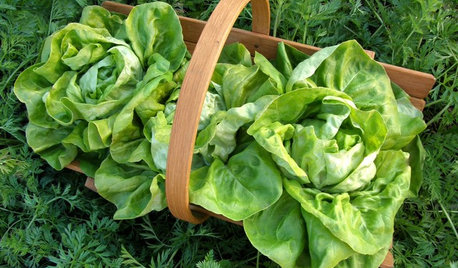
GARDENING GUIDES10 Easy Edibles for First-Time Gardeners
Focus on these beginner-friendly vegetables, herbs, beans and salad greens to start a home farm with little fuss
Full Story
KITCHEN DESIGN12 Items Worth a Spot on Your Kitchen Counter
Keep these useful tools and accessories out in the open to maintain high function without spoiling the view
Full Story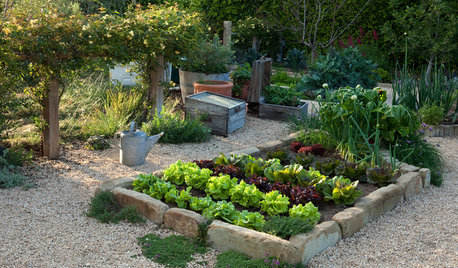
HOUZZ CALLWhat’s Growing in Your Edible Garden?
Tell us which fresh crops you look forward to enjoying this summer
Full Story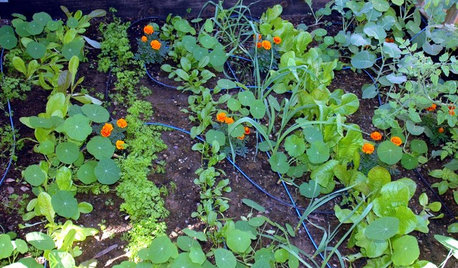
EDIBLE GARDENSGarden BFFs? Why Your Vegetables Are Begging for Companion Plants
Foster friendships among plants for protection from pests, pollination support and color camaraderie
Full Story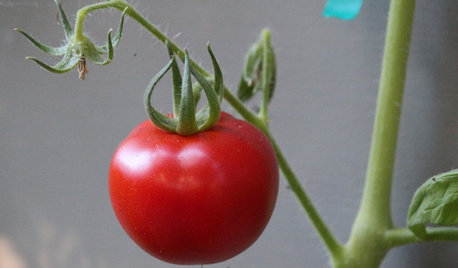
FARM YOUR YARDIf You Have Room for Only One Summer Crop ...
Get an edible that’s long on flavor even if you’re short on space, with a long-time gardener’s favorite picks
Full Story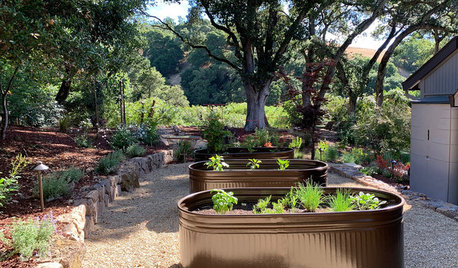
FARM YOUR YARD6 Things to Know Before You Start Growing Your Own Food
It takes time and practice, but growing edibles in the suburbs or city is possible with smart prep and patience
Full Story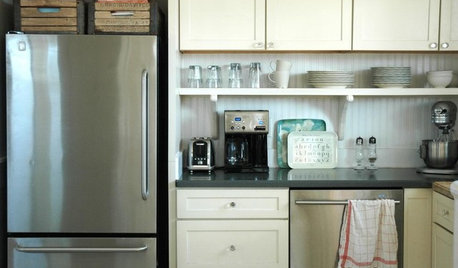
KITCHEN DESIGNTrick Out Your Kitchen Backsplash for Storage and More
Free up countertop space and keep often-used items handy by making your backsplash more resourceful
Full Story
More Discussions
mistervetch
gcdouglassOriginal Author
Related Professionals
Hershey Landscape Architects & Landscape Designers · Billerica Landscape Contractors · Belmont Landscape Contractors · Choctaw Landscape Contractors · Conroe Landscape Contractors · Fair Oaks Landscape Contractors · Newnan Landscape Contractors · Tamarac Landscape Contractors · Wayland Landscape Contractors · Antioch Landscape Contractors · Bowling Green General Contractors · Dorchester Center General Contractors · Greensburg General Contractors · Livermore General Contractors · Universal City General Contractorsreba_nc
gcdouglassOriginal Author
reba_nc