




Edible taro leaves ?rukau?
shepparton
17 years ago
Sort by:Oldest
Comments (2)
Related Stories
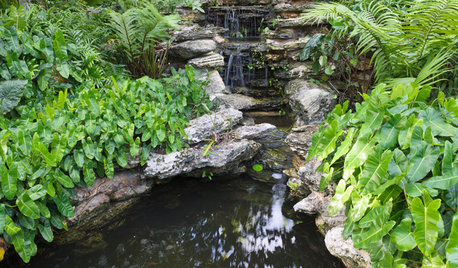
LANDSCAPE DESIGNRecipe for Tropical Edible Garden Style
Appeal to exotic good taste with fruit trees, palms and tropical look-alikes in your temperate-climate garden
Full Story
Violet_Z6
tropicaliste
Related Professionals
Bridgetown Landscape Architects & Landscape Designers · Deer Park Landscape Architects & Landscape Designers · Kenmore Landscape Architects & Landscape Designers · Tempe Landscape Contractors · Dixon Landscape Contractors · Pahrump Landscape Contractors · Peoria Landscape Contractors · Stallings Landscape Contractors · Vashon Landscape Contractors · Houston Roofing & Gutters · Joliet Roofing & Gutters · Burlington Roofing & Gutters · Discovery Bay Roofing & Gutters · Summit Roofing & Gutters · Wilton Manors Roofing & Gutters