




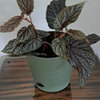
Tuberous Begonia Getting Leggy
tblomer
17 years ago
Related Stories

HOUSEPLANTS10 Top Plants to Grow Indoors
Brighten a room and clean the air with a houseplant that cascades artfully, stretches toward the ceiling or looks great on a wall
Full Story
HOUSEPLANTSOutsmart Winter — Make Houseplants of Your Garden Growers
No need to watch Jack Frost play Wreck the Rosemary. Bring your garden inside for the winter, using containers and these guidelines
Full Story
CALIFORNIA GARDENINGCalifornia Gardener's February Checklist
Celebrate 5 California classics: plants that defy winter with bright flowers, luscious fragrance and, for some, delicious taste
Full StorySponsored

Columbus Area's Luxury Design Build Firm | 17x Best of Houzz Winner!
More Discussions
vetivert8
Related Professionals
Owings Mills Landscape Architects & Landscape Designers · Zion Landscape Architects & Landscape Designers · Williamsburg Landscape Contractors · Golden Gate Landscape Contractors · Huntley Landscape Contractors · Louisville Landscape Contractors · Manhattan Landscape Contractors · Rockland Landscape Contractors · Seven Hills Landscape Contractors · Vancouver Landscape Contractors · West Orange Landscape Contractors · Wilsonville Landscape Contractors · Laurel Siding & Exteriors · Springfield Siding & Exteriors · Iowa City Siding & Exteriors