




Thornless berries
reinbeaux
19 years ago
Sort by:Oldest
Comments (2)
Related Stories
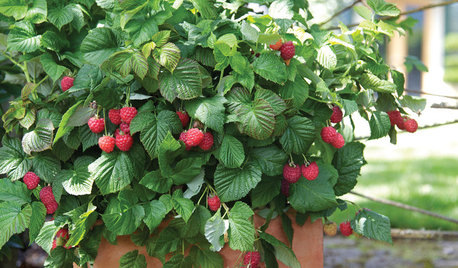
CONTAINER GARDENSPatio-Perfect Berry Bushes Like You’ve Never Seen
Small enough for pots but offering abundant fruit, these remarkable bred berries are a boon for gardeners short on space
Full Story
GARDENING GUIDESYes, You Can Grow Food in a Shady Yard
Your shady garden doesn’t have to be forever barren. Berries, herbs and other shade-loving plants can produce a delicious bounty
Full Story
FARM YOUR YARDIf You Have Room for Only One Fruit Tree ...
Juice up a small garden with one of these easier-care or worth-the-effort fruit trees for a mild climate
Full Story
INSPIRING GARDENSFrom Concrete Lot to Gracious Organic Garden in Seattle
Plants, pests and even weeds have a place in this landscape, which offers an edible bounty and a feast for the eyes
Full Story
SPRING GARDENINGTop 10 Scented Plants for Your Garden
A palette of perfumed plants can transform even the smallest of gardens into a sensory delight
Full Story
GARDENING AND LANDSCAPINGVertical Gardens Raise the Limits for Landscapes
Turn a small garden space into a towering success with an upward-bound collection of edible delights
Full Story
FALL GARDENING6 Trees You'll Fall For
Don’t put down that spade! Autumn is the perfect time for planting these trees
Full Story
kdjoergensen
reinbeauxOriginal Author
Related Professionals
Anderson Landscape Contractors · Surprise Landscape Contractors · Arlington Landscape Contractors · Fort Worth Landscape Contractors · Indio Landscape Contractors · Mason Landscape Contractors · Mendota Heights Landscape Contractors · Nanuet Landscape Contractors · Oviedo Landscape Contractors · Pueblo West Landscape Contractors · Quartz Hill Landscape Contractors · Huntington Beach Fence Contractors · Olean Fence Contractors · Provo Fence Contractors · Whitman Fence Contractors