



Collard Greens
jwr6404
16 years ago
Sort by:Oldest
Comments (12)
Related Stories
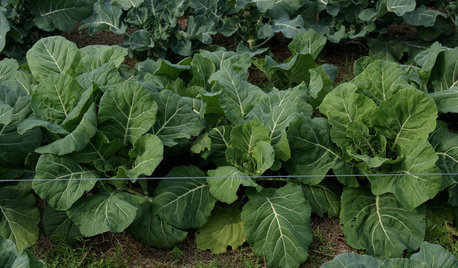
COOL-SEASON CROPSCool-Season Vegetables: How to Grow Collards
Look out, spinach. For fall and spring gardens with a little heat, collard greens may be the better choice
Full Story0

MOST POPULAREasy Green: 23 Ways to Reduce Waste at Home
Pick from this plethora of earth-friendly ideas to send less to the landfill and keep more money in your pocket
Full Story
MOST POPULARHow to Start a Cool-Season Vegetable Garden
Late summer and late winter are good times to plan and plant cool-season crops like salad greens, spinach, beets, carrots and peas
Full Story
FARM YOUR YARDIf You Have Room for Only One Summer Crop ...
Get an edible that’s long on flavor even if you’re short on space, with a long-time gardener’s favorite picks
Full Story
SAVING WATERIs a Rainwater Cistern Right for You?
These extra-large containers reduce runoff and save on the use of potable water for the landscape
Full Story
GARDENING GUIDES6 Plants That Beat Butterfly Bush for the Wildlife Draw
It's invasive, a nonnative and a poor insect magnet. Check out these better alternatives to butterfly bush in the garden
Full Story
LIFE21 Things Only People Living With Kids Will Understand
Strange smells, crowded beds, ruined furniture — here’s what cohabiting with little monsters really feels like
Full Story
GARDENING GUIDES11 Favorite Edibles for Your Cool-Season Garden
Plant crunchy carrots, crisp radishes, tender peas and other vegetables for fall and spring harvests
Full Story
GARDENING GUIDESShades of Vegetable Gardens: Growing Edibles in Less Sun
See how one gardener produces a veritable feast of vegetables and herbs under a canopy of shade
Full Story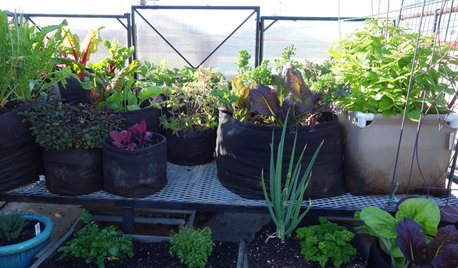
FARM YOUR YARDAn Urban Greenhouse Overflows With Edibles
Making meals just means stepping into the yard for a San Francisco couple who revamped an old orchid house
Full Story

warrenl
farmerdilla
wesley_va
vgary
jtha
earthmanjack
vicinsea
bobbic
P POD
climbthemtns
climbthemtns
farmerdill