





Where can I find the history of heirloom plants?
TheTick
18 years ago
Sort by:Oldest
Comments (2)
Related Stories
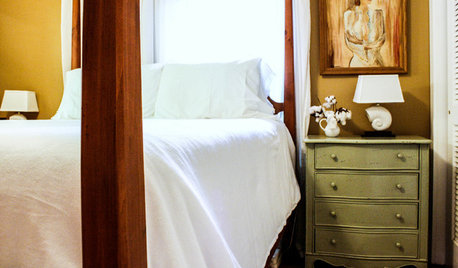
SMALL HOMESMy Houzz: Heirlooms and Family Art Fill a 1920s Bungalow
Personal touches trump a huge design budget for a Florida couple with a taste for Americana
Full Story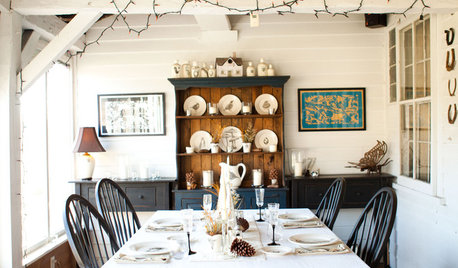
HOUZZ TOURSMy Houzz: Heirlooms and Antiques Befit a 1778 Vermont Home
Family treasures fit right in with original details in a spacious pre–Civil War home renovated with respect for its history
Full Story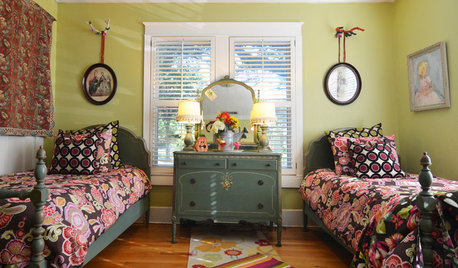
HOUZZ TOURSMy Houzz: Color and Heirlooms Combine in a Welcoming Bungalow
Inherited furniture mixes with bright hues in a 1921 Dallas home that embraces the neighborhood and modern life
Full Story
HOUZZ TOURSMy Houzz: In Brooklyn, Family Heirlooms and a Global Perspective
Family keepsakes, African art and black walls add character to a couple’s New York apartment
Full Story
HOUZZ TOURSMy Houzz: History Resonates in a New Washington Farmhouse
Sentimental memorabilia join reclaimed pieces to create a warmly personal home for a family
Full Story
DECORATING GUIDESVintage Modern: Featuring Heirlooms and Found Items
Can't Get Rid of It? Here's How to Create a Warm Mix of Old and New
Full Story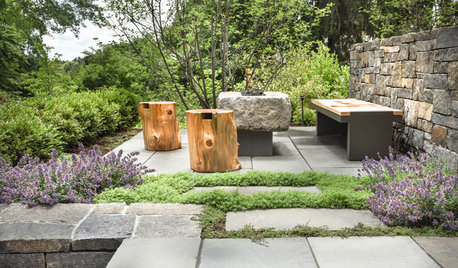
LANDSCAPE DESIGNNative Plants Help You Find Your Garden Style
Imagine the garden of your dreams designed with plants indigenous to your region
Full Story
LIFEGive Your Home a History by Telling Your Story
Share your family's epic saga — or even just kiddie doodles — for a home that's personal, meaningful and inspiring
Full Story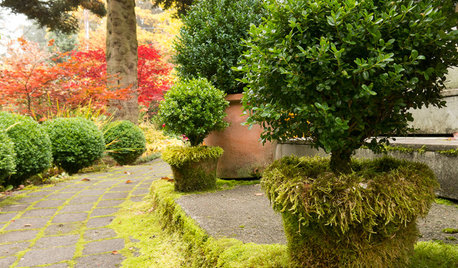
LANDSCAPE DESIGNEvoke Mystery and History With Moss in the Garden
Go ahead, lie about age. Moss on garden statues, planters and pavers creates the beautifully deceptive look of time’s passing
Full Story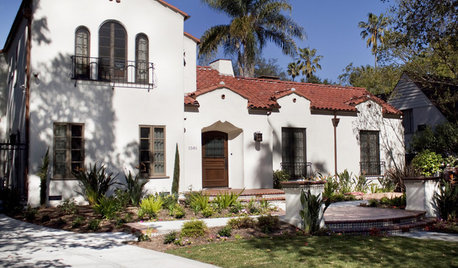
ROOTS OF STYLEClues to Your Home's Architectural History
Use this quick guide to design themes to identify the era and style of your house's details
Full Story

gardenlad
rigreening