




stinking willie?
chuck11
17 years ago
Sort by:Oldest
Comment (1)
Related Stories
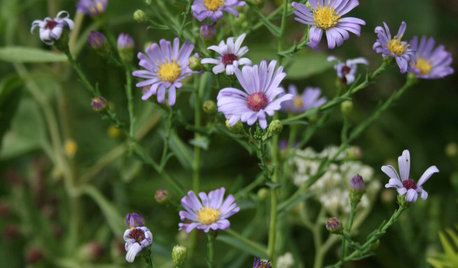
NATIVE PLANTSAutumn Joy: How to Get 3 Months of Fall Flowers
Enjoy blooms from September to November by mixing 6 asters native to different areas of the U.S.
Full Story
FARM YOUR YARDRemake Your Backyard Into a Mini Farm
You can get a taste of country life by line-drying your laundry, growing some produce or going whole hog with the critters
Full Story
DECORATING GUIDESHow to Bring the Beauty of Reclaimed Wood to the Bath
Beautiful salvaged wood adds warmth and texture to a bathroom. Here's how to get the look right
Full Story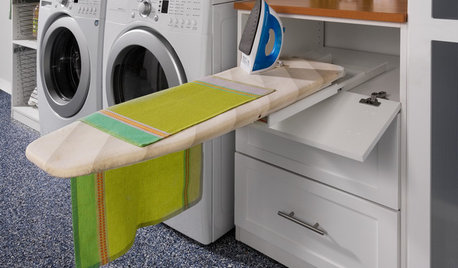
LAUNDRY ROOMS8 Ways to Make the Most of Your Laundry Room
These super-practical laundry room additions can help lighten your load
Full StorySponsored
lrobins
Related Discussions
A cumulatie case of the willies, and is there a word in English
Q
Question about carcasses in the compost...
Q
Need some expert advice from experienced breeders
Q
Minis are perfect for California drought deprived gardeners.
Q