





|
| Hello All -As an introduction, I am a relatively new (5 year) resident of the PNW. Before moving here, I lived and gardened in OK for 20 years. I went thru the Master Gardener program there but have discovered that I am learning to garden all over again. I live at 1000ft elevation in the Cascade foothills and we avg 100in of rain and the occasional several ft of snow. Quite a difference from hot, humid central OK! This year I finally was able to garden year round outside and am learning to use my new greenhouse.
I have 2 questions:
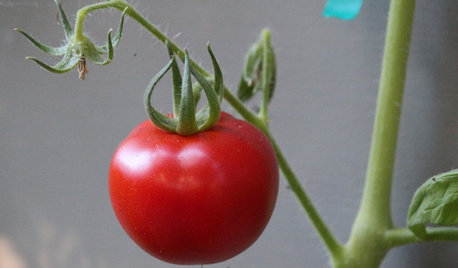
2. Tomato Blight! Does this manifest itself by vines dying from the base and the tomatoes turning brown and hard. I tried growing some of the Northern varieties outside this year. I got a few good tomatoes and then this struck about 6 weeks ago. The tomatoes that I'm growing in the greenhouse are producing heavily and are disease free. Other than that, this seems to have been a perfect summer for gardening! I managed to grow more than the 2 of us could eat so I have been busy canning and freezing. How did all of the rest of you fare? Thanks ahead of time for any advice and I look forward to future discussions with all of you. Sonja |
Follow-Up Postings:
|
- Posted by larry_gene USDA8b-OregonPDX (My Page) on Sat, Sep 29, 12 at 23:54
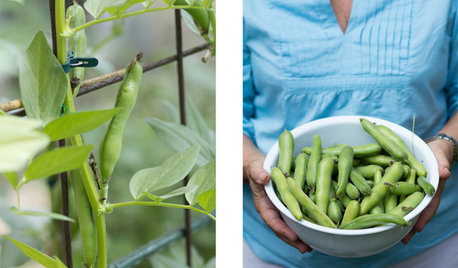
| I'm having a bit of trouble with your beans/pods terminology. I assume you are growing the runner beans for "shelling beans" to extract the seeds, or "beans", rather than using the runner beans as string beans, and eating the whole pod, seeds and all, fresh or cooked. For shelling beans, once the seed beans have swollen inside the pod, deforming the pod to the point where it splits open, the seed beans can be removed and then dried or cooked. If you shake the vines and can get a few seed beans to fall on the ground, it is time to harvest the whole crop of mature pods. For string beans, harvest when immature before the seeds swell. The huge beans/no pods thing is probably just the variable nature of this runner bean's self-pollinating capability. I would think the seeds would better for fresh eating when of a decent size but still immature. We've never had tomato plants do that here, I don't know what the problem is. |
|
- Posted by wildsfarmz7 Z7_WA (My Page) on Sun, Sep 30, 12 at 1:39
| Thanks for the response Larry. I apologize for my faulty terminology but Ive got it now. Yes, I meant shelling beans. I guess I picked them just a little too soon. The pods were swollen but, not to the point of splitting. I did pick a lot of "string beans" so I'll get to enjoy those. I'll try for the shelling beans again next year. Any idea why I seemed to have gotten 2 different types of shelling beans (some large and purple and others smaller and white) from the same seed? The beans even looked different. Thanks again, I appreciate the response. |
|
| wildsfarmz - Welcome & congratulations on your garden bounty this year. We have had a great summer season as well! If you planted runner seed you have 2 types of harvests possible from the same seed just different maturity. 1. smaller pods with white immature seeds to eat whole or cut up lightly cooked. Great raw as snacks with hummus or chive dip. 2. leave those same pods on longer & the seeds will swell and become like what you planted with purple markings. Wait until seeds are quite plump & visible through the pods, but before the 1st frost. That way you have mature seeds to replant next year. We just eat the pods whether smaller or thicker with larger seeds inside and didn't attempt to shell the beans. I don't recall having any pods split. Perhaps, back in OK they dried more than here in our cooler summers. Corrine |
|
- Posted by dottyinduncan z8b coastal BC (My Page) on Mon, Oct 1, 12 at 13:25
| We always eat ours while the pods are immature and they are delicious! Also, if you leave pods on the plants to mature, they will stop producing more beans. btw, I hope that you share your experiences with us here as you learn to garden in a new climate. The PNW is wonderful for 4 season gardening! |
|
| Runner beans are a great choice here since they like cooler wetter weather. Your white flowered beans are just a genetic variation. You could separate them and try to grow them out again. There are some white-flowered runner bean varieties like Bianco di Spagna. Tomato late blight is generally started by fall rains causing the mold spores to grow in the soil and splashing on the plants. If you put a plastic cover over your tomatoes to protect them from the rain you can delay the onset of blight. Legend tomato is supposed to be resistant. It was a very productive tomato for me this year. |
Please Note: Only registered members are able to post messages to this forum. If you are a member, please log in. If you aren't yet a member, join now!
Return to the Northwestern Gardening Forum
Instructions
- You must be a registered member and logged in to post messages on our forums.
- Posting is a two-step process. Once you have composed your message, you will be taken to the preview page. You will then have a chance to review the contents and make changes.
- After posting your message, you may need to refresh the forum page in order to see it.
- It is illegal to post copyrighted material without the owner's consent.
- HTML codes are allowed in the message field only.
- No advertising is allowed in any of the forums.
- If you would like to practice posting or uploading photos, please visit our Test forum.
- If you need assistance, please Contact Us and we will be happy to help.