





Glyphosate damage on azalea
old_chap
15 years ago
Related Stories
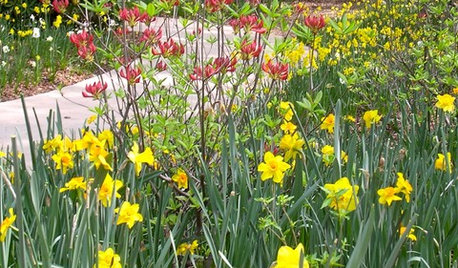
SPRING GARDENINGSpring Fling: Visit a Garden in Full Glory
The Atlanta Botanical Garden is blooming three weeks ahead of schedule. Come take a peek with us
Full Story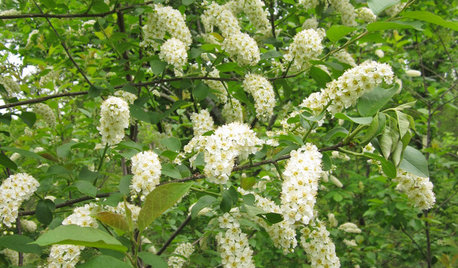
TREESNative Plant Alternatives to Invasive Common Buckthorn
Learn how to identify and control this aggressive plant, and what to grow in its place
Full Story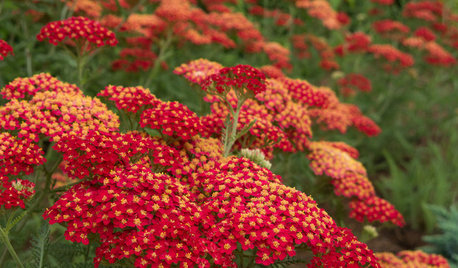
GARDENING GUIDESTop 12 Summer-Blooming Perennials for Deer-Resistant Drama
Can you have garden color, fragrance and exciting foliage with hungry deer afoot? These beauties say yes
Full Story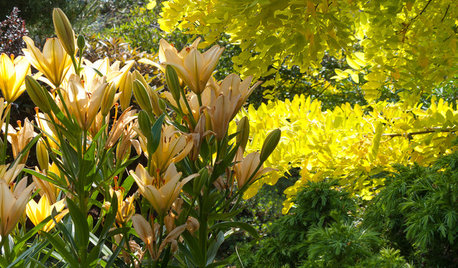
GARDENING GUIDESGreat Garden Combo: 3 Wonderful Plants for a Deer-Resistant Screen
Protect your privacy and keep deer at bay with a planting trio that turns a problem garden area into a highlight
Full Story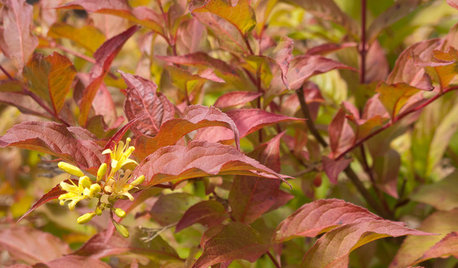
GARDENING GUIDESGreat Design Plant: Northern Bush Honeysuckle, a Bronze Beauty
It helps control erosion and takes sun or shade. The butterflies love it. But the best part of this shrub may be the vivid foliage
Full Story
LIME FOLIAGE16 Stunners From an English Garden Center
Get the abundant, overflowing look of an English garden with these hardworking spring-blooming plants and flowers
Full Story
EDIBLE GARDENSNatural Ways to Get Rid of Weeds in Your Garden
Use these techniques to help prevent the spread of weeds and to learn about your soil
Full Story
GARDENING GUIDESHow to Get Your Prairie On
Have a field day with your landscape, even if you've got just a few modern containers on a paved path
Full Story
LANDSCAPE DESIGNFind Yourself in an Epic Garden in the Shade
Feeling hot and tired gardening in the sun? The world of shade gardening beckons you to its cool mystery
Full Story
TREESGreat Design Plant: Southern Magnolia, Iconic U.S. Native
Massive, fragrant blooms and deep green leaves set Magnolia grandiflora apart from other large shade trees
Full Story
laag
watergal
nandina
kkelley
henry_kuska