






a question of poopy-doop
kkelley
18 years ago
Sort by:Oldest
Comments (4)
Related Stories

LANDSCAPE DESIGNIs It Time to Consider Fake Grass?
With more realistic-looking options than ever, synthetic turf can be a boon. Find the benefits and an installation how-to here
Full Story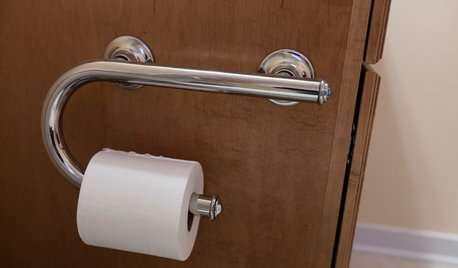
LIFEThe Absolute Right Way to Hang Toilet Paper. Maybe
Find out whether over or under is ahead in our poll and see some unusual roll hangers, shelves and nooks
Full Story
GREEN BUILDINGWater Sense for Big Savings
Keep dollars in your pocket and preserve a precious resource with these easy DIY strategies
Full Story
HOUSEKEEPINGWhen You Need Real Housekeeping Help
Which is scarier, Lifetime's 'Devious Maids' show or that area behind the toilet? If the toilet wins, you'll need these tips
Full Story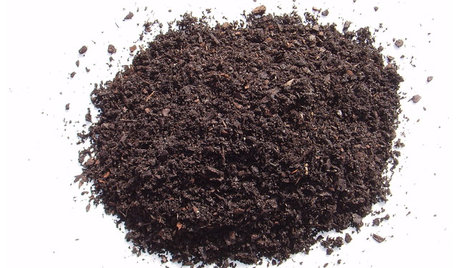
GARDENING GUIDESGet on a Composting Kick (Hello, Free Fertilizer!)
Quit shelling out for pricey substitutes that aren’t even as good. Here’s how to give your soil the best while lightening your trash load
Full Story
DIY PROJECTSSalvage Style: A DIY Upholstery Project Makes a Grand Entrance
See how to turn a recycled coffee table into a stylish bench for your entryway
Full Story
Cady
kkelleyOriginal Author
Related Professionals
Garden City Landscape Architects & Landscape Designers · Hershey Landscape Architects & Landscape Designers · Redondo Beach Landscape Architects & Landscape Designers · Aurora Landscape Contractors · Athens Landscape Contractors · Dedham Landscape Contractors · Fort Wayne Landscape Contractors · Lemont Landscape Contractors · Lewisville Landscape Contractors · Longmont Landscape Contractors · Muttontown Landscape Contractors · Fish Hawk Handyman · Fallbrook Driveway Installation & Maintenance · Grayslake Driveway Installation & Maintenance · South Lyon Driveway Installation & MaintenanceCady
alex_alexanacki_tk