






Tea Tree oil for Blackspot and Powdery Mildew?
Zinia
18 years ago
Featured Answer
Comments (6)

althea_gw
18 years ago
taoseeker
18 years agoRelated Professionals
Accokeek Landscape Architects & Landscape Designers · Leawood Landscape Architects & Landscape Designers · Quincy Landscape Architects & Landscape Designers · Clermont Landscape Contractors · Aloha Landscape Contractors · Arden-Arcade Landscape Contractors · Chattanooga Landscape Contractors · Hoffman Estates Landscape Contractors · Marlborough Landscape Contractors · Oviedo Landscape Contractors · Porterville Landscape Contractors · San Carlos Park Landscape Contractors · Smyrna Landscape Contractors · Waltham Landscape Contractors · Markham Landscape ContractorsField
18 years agotriple_b
16 years agoeejones_ku_edu
15 years ago
Related Stories
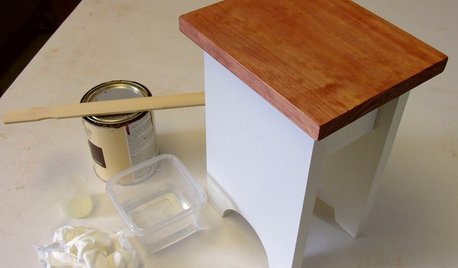
DIY PROJECTSCool Tip: Mimic Stain With a DIY Color Wash
Get the look of an oil-based stain without all the bother, using this easy wash made with paint
Full Story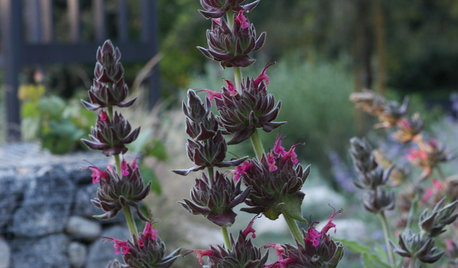
FLOWERS AND PLANTSHummingbird Sage Lures Wildlife With Its Sweet, Fruity Fragrance
This native California ground cover thrives with little water on grassy slopes, under trees or in patio containers
Full Story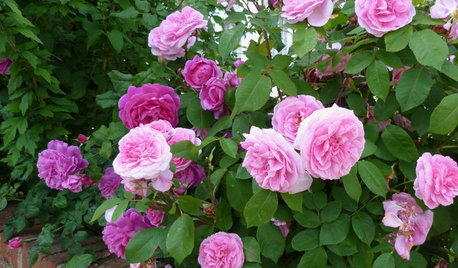
GARDENING GUIDESWhat Kind of Roses Should You Grow?
Want to add the beauty of roses to your garden? Find out which ones, from old-fashioned to modern, are right for you
Full Story
ACCESSORIES40 Design-Friendly Gifts for Modern Kids
Houzz Gift Guide 2010: Gifts to Inspire Feel-Good Fun, Creativity, and Even Clutter Control
Full Story
GARDENING GUIDES10 Top Native Plants for the U.S. Southeast
For a low-maintenance and wildlife-friendly landscape, use Southern natives that withstand heat and humidity
Full Story
WINTER GARDENINGPruning Secrets for Exquisite Roses
Encourage gorgeous blooms year after year with this time-tested advice on how to prune your rosebush in winter for health and shape
Full Story
NATIVE PLANTSGreat Design Plant: Wild Bergamot, Friend of Foragers
Nourish butterflies and other winged creatures with the tubular flowers of Monarda fistulosa, a pretty pink native
Full Story
EDIBLE GARDENSSummer Crops: How to Grow Squash
Almost foolproof and with cheerful flowers, squash comes in a wide range of varieties to plant in spring
Full Story
MOST POPULAR10 Smart Ideas for Your Laundry Room Remodel
Make washing and drying easier and more comfortable by considering ergonomics, storage and special features
Full Story
HOUSEKEEPINGVinegar and Voilà: Clean Your House the Natural Way
Ditch the commercial cleaners for nontoxic, inexpensive and versatile white vinegar
Full Story
Kimmsr