




Prolific PL won't stop - genetic anomaly?
EBHarvey
12 years ago
Related Stories
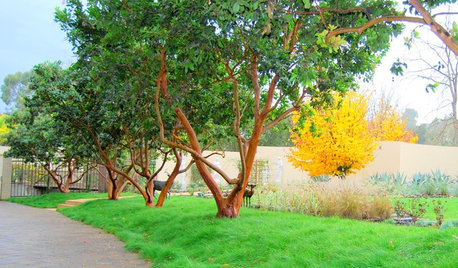
GARDENING GUIDESGarden Myths to Debunk as You Dig This Fall and Rest Over Winter
Termites hate wood mulch, don’t amend soil for trees, avoid gravel in planters — and more nuggets of garden wisdom
Full Story
EDIBLE GARDENSSummer Crops: How to Grow Tomatoes
Plant tomato seedlings in spring for one of the best tastes of summer, fresh from your backyard
Full Story
EDIBLE GARDENS8 Last-Minute Additions to a Summer Edible Garden
It’s not too late to get these vegetables and herbs planted for a bountiful harvest this year
Full Story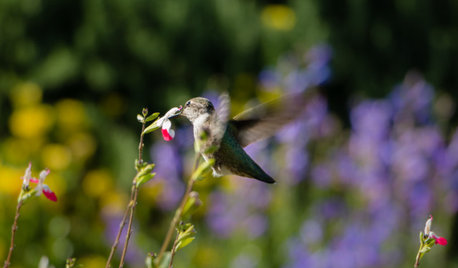
GARDENING GUIDESAttract Hummingbirds and Bees With These Beautiful Summer Flowers
Roll out a welcome mat for pollinators to keep your landscape in balance and thriving
Full Story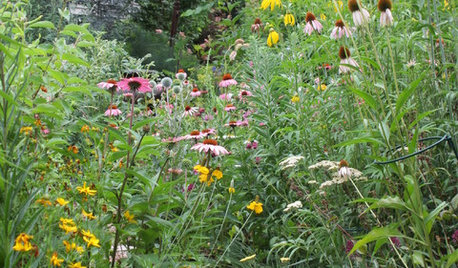
GARDENING FOR BUTTERFLIES3 Ways Native Plants Make Gardening So Much Better
You probably know about the lower maintenance. But native plants' other benefits go far beyond a little less watering and weeding
Full Story
LANDSCAPE DESIGNSmall Garden? You Can Still Do Bamboo
Forget luck. Having bamboo that thrives on a wee plot just takes planning, picking the right variety, and keeping runners in check
Full Story
GARDENING GUIDESLet's Weed Out 4 Native Plant Myths
Plant wisely for a garden that supports pollinators and requires less work
Full Story
carolyn137
abayomi
Related Professionals
Salem Landscape Contractors · Addison Landscape Contractors · Fairview Landscape Contractors · Federal Way Landscape Contractors · Hayden Landscape Contractors · Mequon Landscape Contractors · Seven Hills Landscape Contractors · Chowchilla General Contractors · Klahanie General Contractors · Oneida General Contractors · Pepper Pike General Contractors · Rossmoor General Contractors · Chesapeake Ranch Estates Stone, Pavers & Concrete · Adrian Decks, Patios & Outdoor Enclosures · Redmond Decks, Patios & Outdoor Enclosures