Hi,
after searching & viewing the Tomato forum and problem solver 1 & 2, I may have an immature Southern Army worm(s) feasting away on my patio/container Hybid tomatoes (cherry, grape roma, black pearl, sweet girl, patio princess etc)
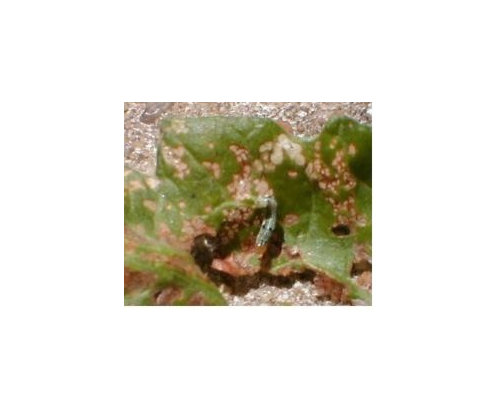
It does not exactly look like a mature Southern Armyworm, while it has the red/orange head, it is green, slender, with white lines (running from head to rear end), with lil 4 or more paired black dots, it is a small worm/catepiller, no horn is evident on it's head.
I beleive it is responsible for eatting my leaves, and has bored into my tomato fruit, while leaving lil black specks of something(-like droppings, eggs, etc.)
since i am new here, I will try to attach the photo of it, the head is pointed downward on the leave, and even though my camera settings were set on macro, you'll note it is quite small/tiny.
So, can someone help me to ID the pest, and how to safely, with lil harm to the enviroment, pets, and neighborhood kids, use a safe pesticide to get rid of the pest- Thank you for reading
Image link:









srburk
Related Professionals
Holly Springs Landscape Architects & Landscape Designers · Tempe Landscape Architects & Landscape Designers · Deer Park Landscape Architects & Landscape Designers · Newcastle Landscape Architects & Landscape Designers · Pottstown Landscape Contractors · Byram Landscape Contractors · Coeur d'Alene Landscape Contractors · Federal Way Landscape Contractors · Palm Beach Gardens Landscape Contractors · Tehachapi Landscape Contractors · Tyngsboro Landscape Contractors · Baileys Crossroads Landscape Contractors · Orange County Siding & Exteriors · Paterson Siding & Exteriors · Point Loma San Diego Siding & Exteriors