






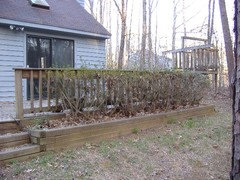
I prune my azaleas but they grow back ugly
wasabi_VA
18 years ago
Featured Answer
Comments (8)

gardener_sandy
18 years agolast modified: 9 years agoRelated Professionals
Beachwood Landscape Architects & Landscape Designers · Fillmore Landscape Architects & Landscape Designers · Otsego Landscape Architects & Landscape Designers · Towson Landscape Architects & Landscape Designers · Arlington Landscape Contractors · Aloha Landscape Contractors · Crystal Landscape Contractors · Englewood Landscape Contractors · Newberg Landscape Contractors · Secaucus Landscape Contractors · Waterford Landscape Contractors · North Hills Landscape Contractors · Morgan Hill Driveway Installation & Maintenance · Quincy Driveway Installation & Maintenance · Riverside Driveway Installation & Maintenancewasabi_VA
18 years agolast modified: 9 years agolkaa
18 years agolast modified: 9 years agowasabi_VA
18 years agolast modified: 9 years ago
DWA in AZ Sunset zone 12
18 years agolast modified: 9 years ago
Vanessa Blanchard
6 years agobarbarag_happy
6 years ago


Related Stories

WINTER GARDENINGPruning Secrets for Exquisite Roses
Encourage gorgeous blooms year after year with this time-tested advice on how to prune your rosebush in winter for health and shape
Full Story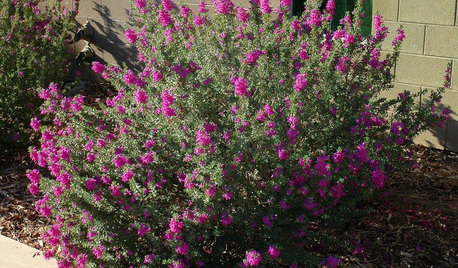
GARDENING GUIDESHow to Prune Your Flowering Shrubs for the Best Blooms
Less is often more when it comes to properly pruning flowering shrubs. Here’s what to do and why
Full Story
GARDENING GUIDESGot Frost-Damaged Plants? How It Happens, and When and How to Prune
Crispy brown leaves are a sure sign that Jack Frost has been to your neighborhood
Full Story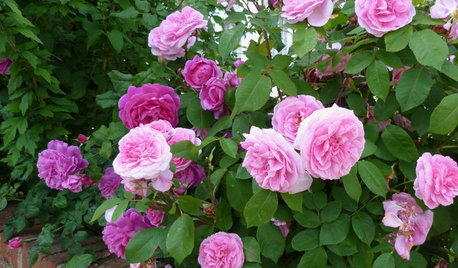
GARDENING GUIDESWhat Kind of Roses Should You Grow?
Want to add the beauty of roses to your garden? Find out which ones, from old-fashioned to modern, are right for you
Full Story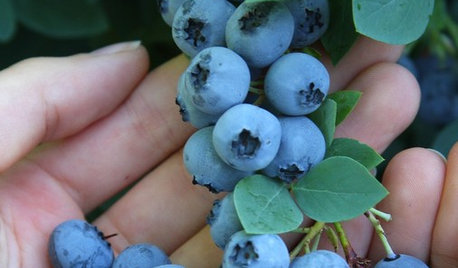
EDIBLE GARDENSSummer Crop: How to Grow Blueberries
Plant blueberries in spring or fall for garden beauty through three seasons — and a sweet superfood in summer
Full Story
GARDENING GUIDESGreat Design Plant: Grow Blueberries for Their Fruit and More
Eastern gardeners should consider growing blueberry plants for their delicious fruits, bee-friendly spring blooms and brilliant fall foliage
Full Story
FALL GARDENING5 Fall Fruits You Can Grow in Containers
Brighten your porch or patio with a potted pomegranate, kumquat, blueberry bush or another great fall fruit
Full Story
LANDSCAPE DESIGN8 Ways to Grow More Plants in Small Spaces
Use plants to bring your pocket garden to life
Full Story
FRUIT TREESHow to Grow Your Own Juicy Plums
Easier than other stone fruits and with a variety of colors to choose from, plums are a versatile garden addition
Full Story
FRUIT TREESHow to Grow Your Own Persimmons
Sturdy and easy to care for, these trees offer bright fruit through winter — and keeping them in bounds is no sweat
Full Story
meldy_nva